


By TheDailyNewsHub News Desk | October 4, 2026
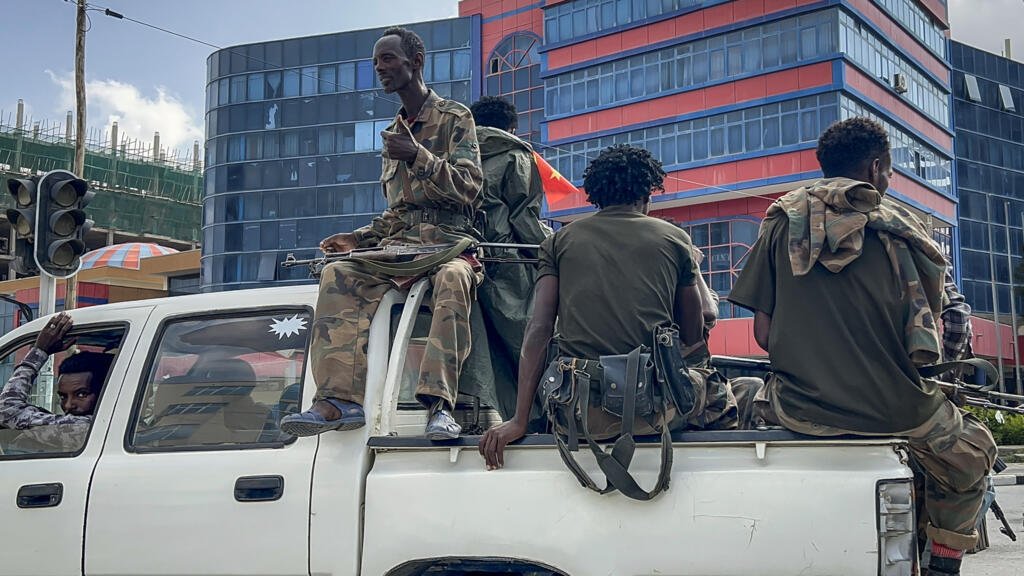
Ethiopian federal forces and allied fighters have taken control of Mekelle, the capital of the northern Tigray region, after the Tigray People’s Liberation Front (TPLF) withdrew its fighters and regional leadership from the city following renewed clashes.
The development, confirmed on Sunday, October 4, marks a significant shift in the latest round of fighting in northern Ethiopia and comes as leaders from Egypt, Eritrea, Somalia and Sudan gather in Egypt for talks amid rising tensions across the Horn of Africa.
The TPLF announced on Saturday that it had temporarily moved its regional administration out of Mekelle, saying it would continue operating from another location. The withdrawal followed an advance by Ethiopian federal troops and the government-aligned Tigray Peace Forces.
Reuters, citing a humanitarian source and a resident of Mekelle, reported that government forces had taken control of the city. A local journalist also confirmed that federal troops were patrolling streets and occupying key institutions on Sunday. A commander from the pro-government militia said its forces had entered the city and intended to continue their advance.
The takeover followed the recapture of Alula Aba Nega Airport, Mekelle’s main airport, by Ethiopian federal forces and their allies. The airport had been seized by Tigrayan fighters during the renewed hostilities in September.
Although federal forces are now reported to control the regional capital, the development does not necessarily signal the end of the conflict. The TPLF has indicated that its withdrawal from Mekelle is temporary and that it intends to continue its resistance from elsewhere.
The renewed fighting began on September 23, when clashes broke out between Ethiopian federal forces and an opposition alliance led by the TPLF. The alliance includes several armed and political groups opposed to Prime Minister Abiy Ahmed’s government and has called for a political transition.
The latest violence has raised fears of another prolonged conflict in a region still recovering from the devastating 2020–2022 Tigray war. That conflict, fought between Ethiopia’s federal government and Tigrayan forces, resulted in mass casualties, widespread displacement and severe humanitarian disruption. A peace agreement signed in Pretoria, South Africa, in November 2022, brought the main fighting to an end, although political and security disputes remained unresolved.
The situation has also become increasingly complicated by tensions between Ethiopia and neighbouring countries. Addis Ababa has accused Eritrea, Sudan and Egypt of supporting the opposition alliance led by the TPLF. The three countries have denied the allegations, and no independently established evidence of their involvement in the current fighting has been publicly presented.
Ethiopia’s relationship with Eritrea has deteriorated sharply. The Ethiopian government recently ordered the closure of its embassy in Eritrea and declared several Eritrean diplomats persona non grata. Eritrea subsequently announced that it was severing diplomatic relations with Ethiopia.
The dispute is rooted partly in wider disagreements over security, territorial sovereignty and Ethiopia’s pursuit of access to the Red Sea. Eritrea shares a border with Tigray, making developments in the region particularly sensitive for Asmara.
Against this background, Egypt is hosting a four-way consultative summit in New Alamein on Sunday. The meeting brings together Egyptian President Abdel Fattah el-Sisi, Eritrean President Isaias Afwerki, Somali President Hassan Sheikh Mohamud and Sudanese military leader General Abdel Fattah al-Burhan.
The Egyptian Presidency announced the summit ahead of the meeting, saying the leaders would consult on regional issues of mutual interest. The discussions are taking place alongside the African Union’s eighth Mid-Year Coordination Meeting and the Alamein Africa Business Forum.
Although the Egyptian Presidency’s announcement described the gathering as a consultation on regional issues, its timing has drawn attention because of the worsening security situation in Ethiopia and the diplomatic disagreements between Addis Ababa and the participating countries.
Egypt and Ethiopia have longstanding disagreements over the Grand Ethiopian Renaissance Dam (GERD), which Ethiopia built on the Blue Nile. Cairo has repeatedly raised concerns about the dam’s impact on water security, while Addis Ababa maintains that the project is essential for its electricity generation and economic development.
Sudan has also been affected by disagreements over the dam and wider regional security developments. The country’s own war between the Sudanese Armed Forces and the paramilitary Rapid Support Forces has further complicated the regional political and security environment.
The renewed conflict in Tigray therefore carries implications beyond Ethiopia’s domestic politics. A prolonged confrontation could intensify tensions along international borders, complicate humanitarian operations and place additional pressure on countries already dealing with insecurity and displacement.
The situation inside Mekelle also remains fragile. Reports from residents and journalists indicate that businesses and shops have remained closed amid concerns about looting and insecurity. Communications had been disrupted for more than a week, making it difficult for journalists and humanitarian organisations to establish the full extent of developments on the ground.
The Associated Press reported accounts of looting at government offices and the regional police headquarters as TPLF-aligned fighters withdrew. The reports highlight the risks facing civilians as control of the city changes hands.
The United States has urged Ethiopia and Eritrea to exercise restraint, respect the sovereignty and territorial integrity of neighbouring countries, and return to dialogue. The African Union has also called for restraint as concerns grow that the fighting could undermine the 2022 peace agreement and destabilise the wider Horn of Africa.
For now, the reported capture of Mekelle represents a major military setback for the TPLF, but the group’s stated intention to continue fighting means the wider conflict remains unresolved. The outcome of the regional consultations in Egypt and the response of Ethiopia’s neighbours could prove significant in determining whether the latest escalation remains an internal conflict or develops into a broader regional crisis.