


By Femi Mustapha in Kaduna
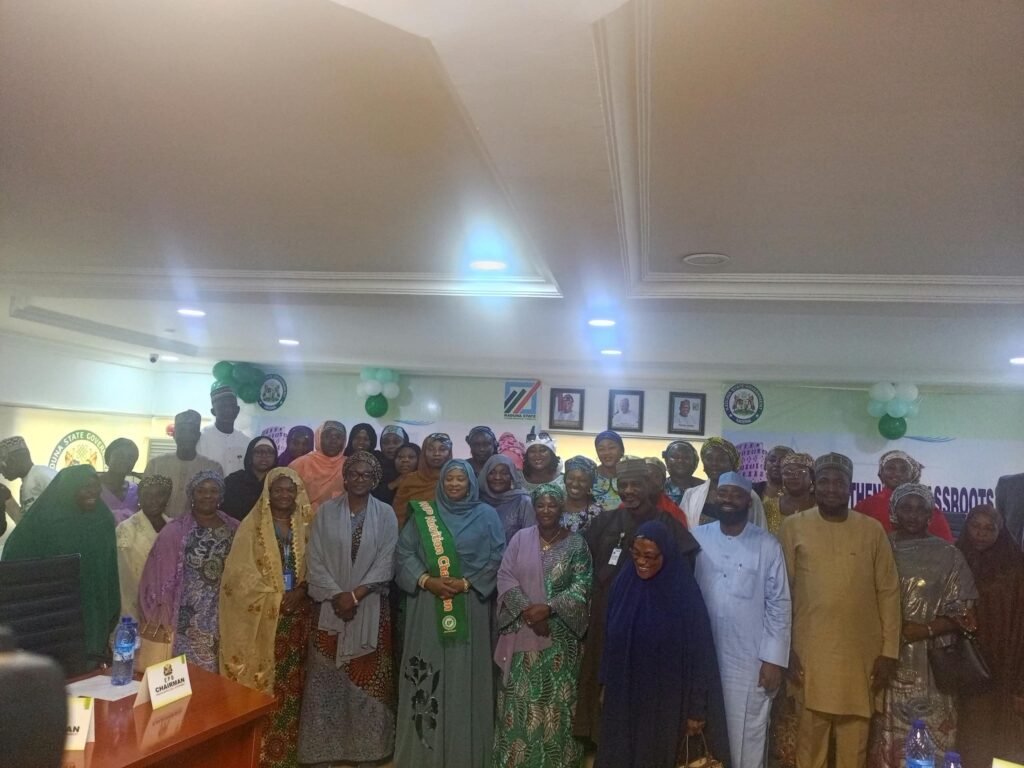
The Kaduna State Planning and Budget Commission has convened a stakeholders’ meeting on grassroots nutrition intervention, bringing together the governor’s wife, female commissioners, heads of agencies, wives of the 23 local government chairmen, and development partners.
Welcoming participants, Mukthar Ahmed, commissioner of the Kaduna State Planning and Budget Commission, said nutrition is fundamentally about the future of the state, influencing survival, productivity, and economic development. He commended Her Excellency for her leadership and personal commitment to women and children.
He said the state government has strengthened nutrition through policy, financing, and collaboration, but success depends on the grassroots, where primary health care is delivered, and families make food decisions.
He described the meeting as bringing together two influential groups—women in strategic government positions and spouses of chairpersons connected to communities—to promote exclusive breastfeeding, complementary feeding, maternal nutrition, and early identification of malnutrition across the 23 LGAs.
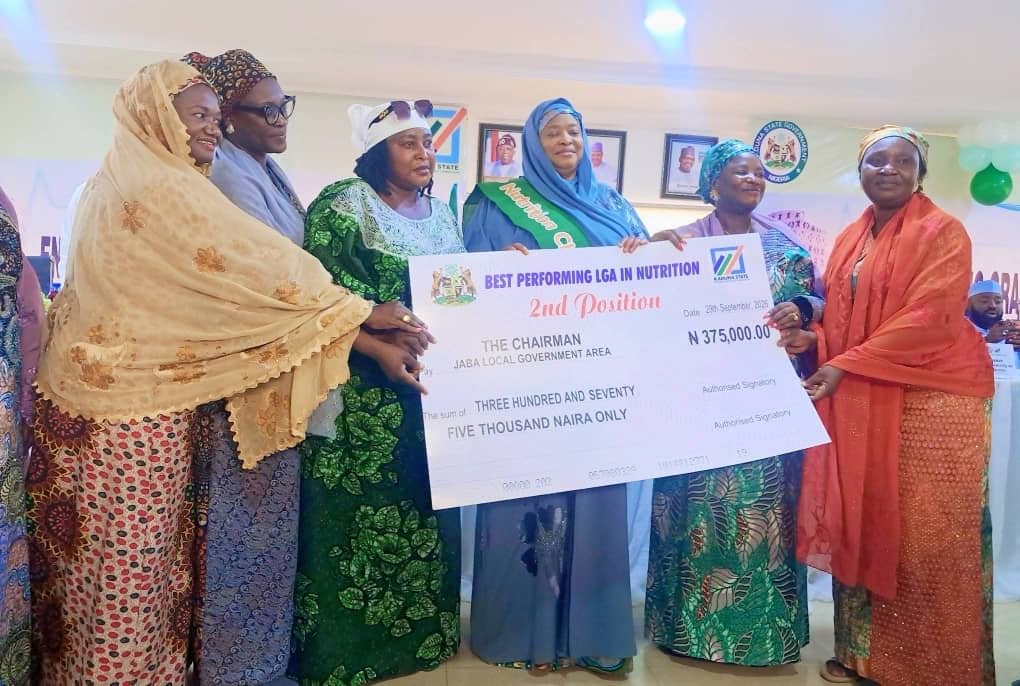
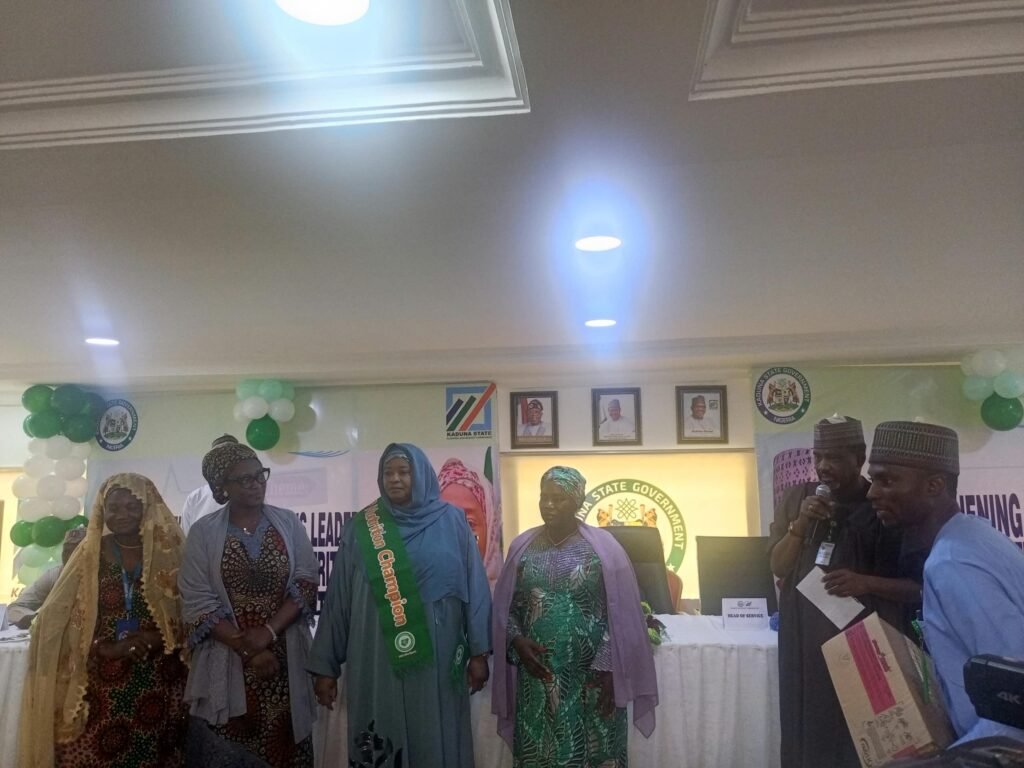
He disclosed that three spouses who have excelled in promoting nutrition at the grassroots would be recognized and rewarded by Her Excellency, as promised during their first engagement earlier in the year.
Also speaking, Kaduna State Head of Service Mrs. Jummai Bako said the repeated engagements show the importance the government attaches to nutrition, noting that mothers understand better when a child is not feeding well.
She urged the wives of LG chairpersons to involve the wives of councilors who live in communities, stressing the goal of achieving zero malnutrition in Kaduna State.
The chairman of the Kaduna State House of Assembly Committee on Food and Nutrition Security, Hon. Jessy David, said healthy mothers produce healthy children and assured participants that the Assembly would continue to legislate to combat malnutrition while extending activities to the ward level.
Youth Development Commissioner Gloria Ibrahim said youth development cannot be built on malnutrition. She commended Her Excellency as a nutrition champion and described the wives of LG chairpersons as mothers of their local governments and as critical links to the grassroots.
The chairman of the Kaduna State House of Assembly Committee on Appropriation, Hon. Shehu Yunusa, said his role is to ensure nutrition budget lines are included. He noted that the government is determined to increase the allocation in the 2027 budget, as a healthy state is a wealthy state.
Presenting the nutrition situation, Ramatu Haruna, director of Nutrition Services at the Kaduna State Primary Health Care Board, said in Hausa that Kaduna has the lowest stunting rate in the North-West, compared with Katsina at 54 percent. She attributed the progress to the release of N400 million in 2024 and N350 million in 2025 for RUTF.
She said 42,000 children were treated with RUTF, with 24,836 enrolled and 15,000 cured in Q1 2026, more than 17,400 enrolled and 6,363 cured in Q2, and 8,655 cartons currently in stock. She lamented higher malnutrition rates among girls due to food bias favoring boys.
The Kaduna coordinator of CS-SUNN, Mrs. Celestina Ayim, said Nigeria’s stunting rate is 40 percent, with Rivers the lowest at 12 percent and Katsina the highest at 65 percent. She said the national wasting rate is 8 percent, while Kaduna’s underweight rate of 24 percent and wasting rate of 5.9 percent are better than the national averages.
She said resource mobilization goes beyond money to include human resources, skills, and partnerships. She urged the 23 wives to be voices for nutrition, mobilize communities, connect LGAs with philanthropists, amplify messages through local food demonstrations, and monitor promises and releases.
UNICEF Kaduna Field Office Nutrition Specialist Chinwe Ezeife said UNICEF, the Gates Foundation, and CS-SUNN are pleased to partner with Kaduna. She noted UNICEF’s slogan, Nutrition for Every Child, and its commitment to equitable access for women and children in vulnerable communities.