



By TheDailyNewsHub News Desk | October 1, 2026
The Nigeria Immigration Service (NIS), in partnership with the International Organization for Migration (IOM) and with support from the European Union (EU), has completed a management workshop to review Nigeria’s National Border Management Strategy as preparations begin for a new policy framework covering 2027 to 2031.
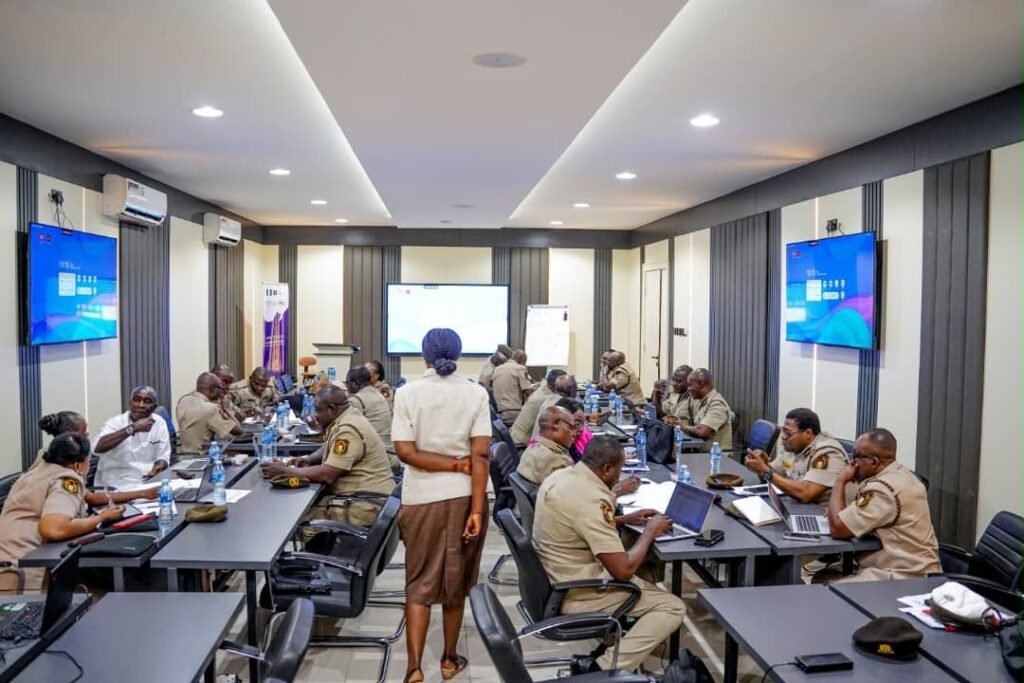
The workshop, held at Zuma Rock Resort in Niger State between September 27 and 30, 2026, brought together senior NIS officials and development partners to assess the implementation of the previous 2019–2023 strategy and identify priorities for strengthening the country’s border management system.
According to a statement issued on Thursday, October 1, by the NIS Public Relations Officer, DCI Akinsola Akinlabi, the engagement provided an opportunity to examine progress under the previous framework, discuss emerging challenges and develop recommendations for the next policy cycle.



The Comptroller-General of Immigration, Kemi Nanna Nandap, said the next strategy should be built around reliable migration data, effective implementation arrangements and sustained cooperation among government agencies responsible for border management.
She emphasised the need for a practical framework that can respond to changing migration patterns and security challenges while improving Nigeria’s capacity to coordinate border management operations.
Nandap also said the review should position Nigeria to play a stronger role in promoting integrated border management across Africa.
The workshop featured technical discussions, strategic sessions and group presentations, followed by the consolidation of recommendations from participants.
An NIS Executive Management Endorsement Session was also held to examine the proposed recommendations, identify priority interventions, consider possible financing arrangements and validate the strategic direction proposed for the 2027–2031 policy period.
The outcome is expected to provide a basis for developing the next National Border Management Strategy and its accompanying action plan. However, the NIS announcement did not publish the complete revised strategy, disclose a final implementation budget or provide a timetable for its formal adoption and rollout.
The review follows the expiration of the previous National Border Management Strategy, which covered 2019 to 2023. That framework was developed by the NIS with technical support from the IOM and funding from the European Union, following consultations involving government institutions and other stakeholders.
The earlier strategy established an integrated approach to managing the movement of people across Nigeria’s borders. Its scope covered land, air and sea borders, as well as visa administration, travel documents, migration within the country and the management of returning migrants.
It also recognised that border management responsibilities extend beyond the Immigration Service and require coordination with other institutions, including security agencies and government bodies responsible for related aspects of migration and border operations.
The new review comes amid continuing concerns about irregular migration, human trafficking, migrant smuggling and security threats along parts of Nigeria’s international borders. The country’s extensive land boundaries and the movement of people across neighbouring West African countries make cooperation between immigration authorities and other agencies an important part of border governance.
The IOM has continued to support Nigeria in strengthening migration and border governance through technical assistance, institutional capacity development and policy support. Its work with Nigerian authorities includes efforts to improve coordination, promote orderly migration and address risks affecting vulnerable migrants.
The European Union has also maintained migration and security cooperation with Nigeria. In September 2026, Nigeria’s Minister of Foreign Affairs, Bianca Odumegwu-Ojukwu, and EU Commissioner for Internal Affairs and Migration, Magnus Brunner, held discussions on strengthening cooperation in migration management, border security, reintegration and legal pathways for migration.
The proposed 2027–2031 strategy is therefore expected to provide an updated framework for addressing the country’s changing border management requirements while strengthening coordination among the institutions involved.
For the NIS, a central challenge will be translating the recommendations from the review into clear responsibilities, measurable targets, adequate funding and practical implementation arrangements.
The effectiveness of the next strategy will ultimately depend on how its priorities are adopted and implemented across the relevant agencies, as well as the availability of reliable migration information and sustained cooperation with Nigeria’s regional and international partners.
The Immigration Service said the workshop reaffirmed its commitment to working with the IOM, the European Union and other stakeholders towards continuous improvement in Nigeria’s border management system.