


By TheDailyNewsHub News Desk | October 1, 2026
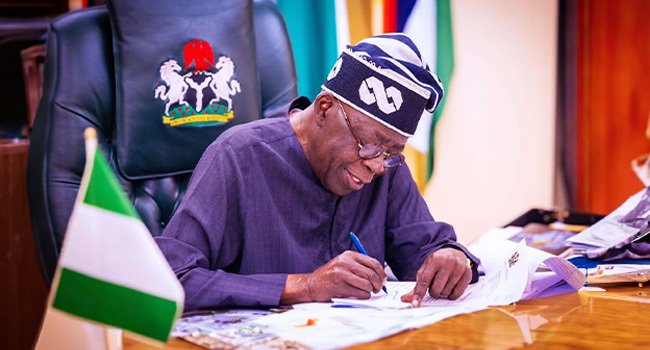
President Bola Ahmed Tinubu has signed the Appropriation (Amendment) (No. 4) Bill, 2025, into law, giving federal ministries, departments and agencies (MDAs) until December 31, 2026, to implement outstanding projects under the 2025 budget.
The Presidency announced the development on Wednesday, September 30, after the National Assembly passed the amendment on Tuesday, September 29. The new law moves the previous September 30, 2026 deadline forward by three months.
In a statement issued by Bayo Onanuga, Special Adviser to the President on Information and Strategy, the Presidency said the extension would allow MDAs to complete ongoing capital projects and ensure that funds already approved in the budget are utilised.
Tinubu also commended the leadership and members of the National Assembly for the speed with which the amendment was considered and passed.
The latest amendment concerns the implementation timeline of the existing 2025 appropriation. It does not, by itself, amount to a new budget allocation or an increase in the amount originally approved for government spending.
The extension is particularly relevant to capital expenditure, which covers government investments in infrastructure and other long-term public assets. Such projects may include roads, bridges, public buildings, schools, hospitals and other development infrastructure.
By allowing another three months, the Federal Government has created additional time for projects that could not be completed within the previous implementation window. However, the extension does not automatically guarantee that all outstanding projects will be completed by the new deadline.
The amendment is also significant because it represents the fourth extension of the implementation period of the 2025 budget, according to reports by Premium Times. The original deadline was December 31, 2025, before the government extended it to March 31, 2026, and subsequently approved further extensions.
Repeated extensions of budget implementation periods have implications for public expenditure management, particularly the timing of capital releases, project execution and accountability for appropriated funds.
The process of extending an appropriation gives the government more time to spend money already authorised by the legislature. However, the practical outcome depends on whether ministries and agencies can complete procurement, release funds, resolve implementation challenges and deliver projects within the additional period.
For contractors, communities and other beneficiaries of federal capital projects, the latest decision means that projects covered by the 2025 budget can continue beyond the September deadline, subject to the relevant approvals and available funds.
The Federal Government has not indicated that the new extension will change the original allocations to individual ministries or projects. The Presidency’s explanation focuses on allowing ongoing capital projects to proceed without interruption.
The latest development comes as the government continues implementing its fiscal programme while managing the transition between annual budgets. The effectiveness of the extension will ultimately be measured by the number of projects completed, the funds properly utilised and the public infrastructure delivered before the end of December.
With the new deadline now set for December 31, 2026, federal ministries, departments and agencies have three additional months to advance outstanding projects under the 2025 appropriation.